Blog Search

Showing posts with label Cardiovascular Training. Show all posts

Monday, August 9, 2010

Muscle Fibres of the Skeletal System

Did you know that the human body's skeletal system is composed of a combination of two different muscle fibres?

These two fibres are as follows:
1- Fast Twitch (FT) or Type II (also called white fibres because of their microscopic appearance)

2- Slow Twitch (ST) or Type I (also called red fibres, again because of their microscopic appearance)

FT fibres are more anaerobic (does not rely of oxygen), larger, fatigue quicker, and have a faster contraction speed compared to ST fibres. These qualities make FT fibres ideal for actions that involve quick bursts of power and energy, such as jumping and sprinting. Events such as swimming, long-distance running, or cycling that require endurance, depend on the aerobic (relies of oxygen), smaller, slow contracting ST fibres.


Muscles fibres do not always fall into these two categories. There are also fibres that contain characteristics from both. These fibres fall into the Type II category, further dividing them into Type IIa and Type IIb. The more aerobic Type IIa fibre that contains more surrounding capillaries, thus; expressing greater resistance to fatigue than the anaerobic Type IIb fibre.

Through heredity an individual is dealt a composition of muscle fibres. These fibres cannot be altered by training, i.e. an individual cannot use training stimuli to transform one fibre type to another. However, most skeletal muscle contain both FT and ST fibres. The amount varies from one individual to another, as well as one muscle to another.

A conclusion can be made that individual performances occur as a result of varying percentages of muscle fibre types, which make some individuals better suited to specific activities. That does not mean, however; that training will not improve what fibres you already have.


References
Klavora, P. (2004). Foundations Of Exercise Science: Studying Human Movement And Health. Toronto: Sports Books Publisher.

Wednesday, February 3, 2010

Fartlek your way through the winter blahs!

Living in Ottawa during the winter months can either be pleasant or weary, depending on what we make of it.

What can we do to make our Ottawa winters enjoyable, while exercising and taking part in some fun outdoor activities? How about incorporating Fartlek?

What is Fartlek, you may ask?
Fartlek, which means "speed play" in Swedish, is a cardiovascular training method that focuses on endurance.
.
Typically used by runners, the Fartlek method of training is implemented during the preparatory portion of their season. The reason they use this method is because it’s extremely flexible, and also develops basic cardiovascular endurance.

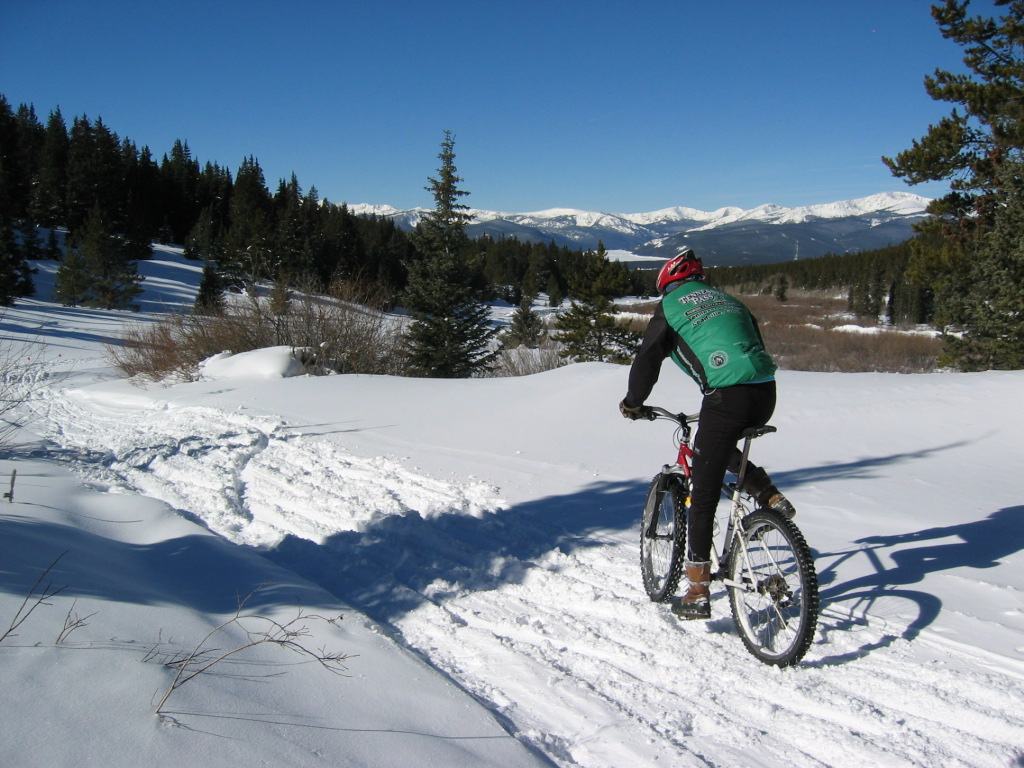
Fartlek can be done anywhere, at any time, and all year round. It is the combination of many cardiovascular training methods, like long slow distance training, interval training, pace and tempo training, hill training, fast burst training at various distances and lengths, training in parks, streets, beaches, etc. It can also be applied to any form of cardiovascular activity, such as swimming, cycling, skating, cross-country skiing, etc.

An example of a cycling training program using the Fartlek method is as follows:

10 min easy pace
4 min fast pace
2 min easy pace
2 min hill climb
2 min fast pace
30 sec all-out pace
4 min easy pace
10 min moderate pace
10 min easy pace
.
Remember, Fartlek training is just a change in time, tempo, distance and terrain. Mix these four elements up, and you'll have yourself a custom made Fartlek training program. Where better to practice Fartlek, than in Ottawa, were outdoor winter activities are virtually endless.

Take advantage of the Rideau Canal and skate on the world’s largest skating rink. Go snow shoeing, or cross-country skiing and explore the beauty of Ottawa’s endless snow trails. While you’re out there enjoying the winter, don't forget to incorporate some Fartlek. It’s easy, never boring, and you can create a great workout right on the spot.


References

Klavora, P. (2004). Foundations Of Exercise Science: Studying Human Movement And Health. Toronto: Sports Books Publisher.