Blog Search

Showing posts with label exercise. Show all posts

Saturday, January 5, 2013

Stressed to Recover?!

Individuals with higher levels of chronic mental stress take longer to recover from a workout, reveals a group of researches at the Yale Stress Centre.  Their findings confirm that repairing the body at the microscopic cellular level is influenced by ones state of mind.

Do not assume that stress is all bad though.  There are good forms of stress like exercise, and our body’s fight-or-flight response to danger.
Good or bad, stress affects hormone levels like cortisol that circulate the body.  These hormones are essential to the inflammatory response that repairs damage to the body done by exercise.  Hormone levels in a chronically stressed individual are high and negatively affect the body, hindering the typical response to acute stressors like exercise.
Hormone levels are not the only things affected when chronically stressed.  Stressed-out individuals tend to sleep less, eat poorly and take less care of themselves.  All of these factors influence recuperation and it is not clear whether it is stress that leads to poor nutrition and sleep, or whether it is vise versa.  What is clear is that being overstressed is not a situation someone chooses to be in.  
If you are in a chronically stressed situation, the right thing to do is not to skip your workout - remember that exercise is a good stress that can help fight against bad stress.  Instead, lower your intensity and adjust your workout accordingly to allow your body more time to recuperate between exercise sessions.  
Consider implementing yoga or other relaxation techniques to aid in minimizing mental stress. Do not wait until you are in the middle of a breakdown, use these relaxation techniques early and often.

Monday, April 16, 2012

3 Ways to Naturally Boost Your Metabolism


1. Exercise! The combination of resistance training and cardio is your best choice in revving up your metabolism.  We are typically focused on cardio and fat loss, but fail to realize what the importance of muscle mass and resistance training are to this subject. 

Building muscle is important as it requires energy - increasing your metabolism.  The more muscle one has, the more energy is required to maintain it.  One study published in the Journal of Applied Physiology found that older men and women increased their metabolism by about 100 calories after 6 months of strength training. The combination of both resistance training and cardio can lead to some great fat loss results, compared to just cardio alone.

2. Eat smaller, balanced meals more frequently and consistently throughout the day.  Space your meals out every 2 to 3 hours, and centre them around a lean protein source (egg whites, low-fat cheeses, yogurt, lean meats and poultry, and fish).  Side your protein with vegetables and/or fruits, beans and lentils, and some whole grains.  Eating these smaller, balanced meals more frequently throughout the day will keep you feeling fuller longer; preventing your blood sugar from spiking (discussed further in #3); and helping you from overeating.

3. Stay away from refined grains, and stick to low glycemic carbohydrates.  Products made from refined grains and sugars; such as cakes, cookies, pastas, and many breads are typically high glycemic.  Eaten alone, high glycemic foods cause a spike in blood sugar, triggering your body to secrete a flood of insulin; storing all the unused energy as glycogen (in your muscles and your liver), and as fat (in your adipose tissue), and likely causing you to feel hungry shortly after consumption.  Sticking to low glycemic index fruits, vegetables, bean and lentils, and whole grains (breads and pastas) will help keep your blood sugar levels more stable and keep you full longer.

Sunday, February 26, 2012

Dehydration: Big Impact On Performance

If you are looking to perform your best in sport or in exercise, you have to keep your body hydrated throughout the activity. Sweating even as low as one percent of your total body weight can place unneeded stress on your cardiovascular system, and losing more than one percent can impair your physical performance. Sweating causes your blood to become more viscus forcing your heart to work harder in its efforts to provide working muscles with oxygen and fuel. Dehydration can also affect mental sharpness and hand-eye coordination, which can put you in a disadvantage in mentally strenuous activities and competitions.

The American College of Sports Medicine (ACSM) recommends there guidelines for keeping your body hydrated for physical activity:

  • Bef ore Physical Activity: Drink at least 16 ounces of fluid about two hours beforehand.
  • During Activity: Drink 5 to 10 ounces every 15 to 20 minutes.
  • After Activity: Drink 16 ounces for each pound of body weight lost during activity.

Wednesday, December 22, 2010

Post-Exercise Soreness

It is not unusual to feel soreness after a workout; DOMS (Delayed Onset Muscle Soreness) is the term used.

DOMS is usually felt twelve to fourty-eight hours after the workout, and is usually at it's worse fourty-eight hours after the activity. The soreness can even last a few days longer, decreasing as the days pass.

The soreness is a normal response to unusual exertion and is your body's way of adapting to the stressor. I emphasize the word soreness. If you feel pain, that is likely due to a sustained injury.

Monday, August 9, 2010

Muscle Fibres of the Skeletal System

Did you know that the human body's skeletal system is composed of a combination of two different muscle fibres?

These two fibres are as follows:
1- Fast Twitch (FT) or Type II (also called white fibres because of their microscopic appearance)

2- Slow Twitch (ST) or Type I (also called red fibres, again because of their microscopic appearance)

FT fibres are more anaerobic (does not rely of oxygen), larger, fatigue quicker, and have a faster contraction speed compared to ST fibres. These qualities make FT fibres ideal for actions that involve quick bursts of power and energy, such as jumping and sprinting. Events such as swimming, long-distance running, or cycling that require endurance, depend on the aerobic (relies of oxygen), smaller, slow contracting ST fibres.


Muscles fibres do not always fall into these two categories. There are also fibres that contain characteristics from both. These fibres fall into the Type II category, further dividing them into Type IIa and Type IIb. The more aerobic Type IIa fibre that contains more surrounding capillaries, thus; expressing greater resistance to fatigue than the anaerobic Type IIb fibre.

Through heredity an individual is dealt a composition of muscle fibres. These fibres cannot be altered by training, i.e. an individual cannot use training stimuli to transform one fibre type to another. However, most skeletal muscle contain both FT and ST fibres. The amount varies from one individual to another, as well as one muscle to another.

A conclusion can be made that individual performances occur as a result of varying percentages of muscle fibre types, which make some individuals better suited to specific activities. That does not mean, however; that training will not improve what fibres you already have.


References
Klavora, P. (2004). Foundations Of Exercise Science: Studying Human Movement And Health. Toronto: Sports Books Publisher.

Wednesday, February 3, 2010

Fartlek your way through the winter blahs!

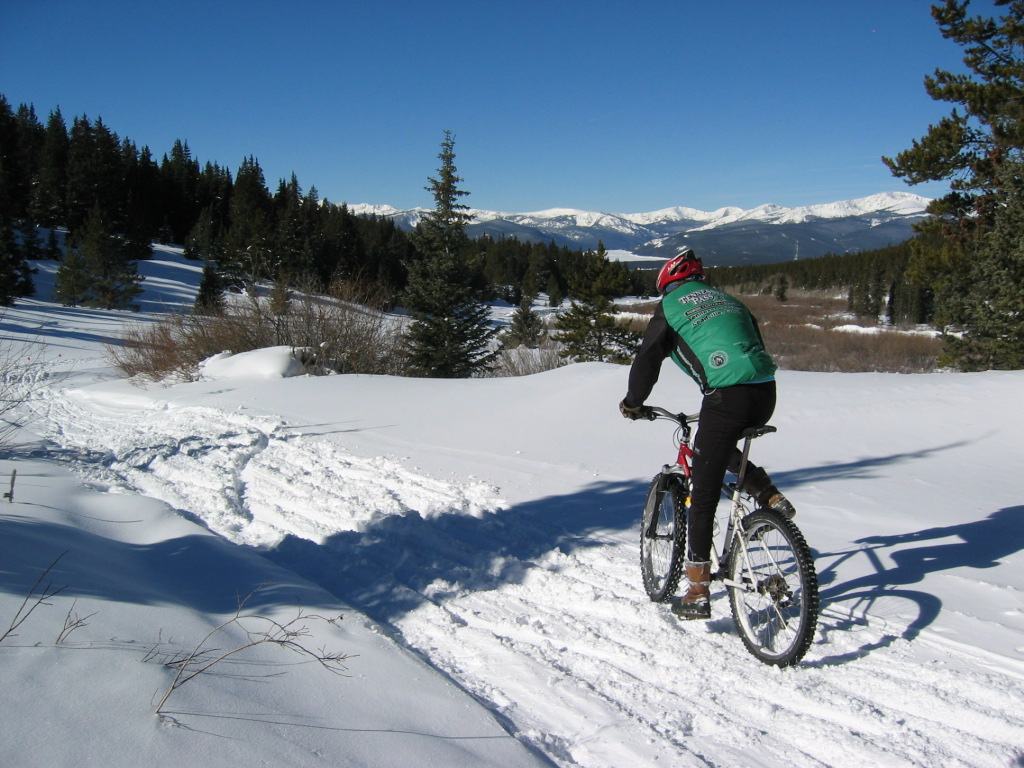
Living in Ottawa during the winter months can either be pleasant or weary, depending on what we make of it.

What can we do to make our Ottawa winters enjoyable, while exercising and taking part in some fun outdoor activities? How about incorporating Fartlek?

What is Fartlek, you may ask?
Fartlek, which means "speed play" in Swedish, is a cardiovascular training method that focuses on endurance.
.
Typically used by runners, the Fartlek method of training is implemented during the preparatory portion of their season. The reason they use this method is because it’s extremely flexible, and also develops basic cardiovascular endurance.

Fartlek can be done anywhere, at any time, and all year round. It is the combination of many cardiovascular training methods, like long slow distance training, interval training, pace and tempo training, hill training, fast burst training at various distances and lengths, training in parks, streets, beaches, etc. It can also be applied to any form of cardiovascular activity, such as swimming, cycling, skating, cross-country skiing, etc.

An example of a cycling training program using the Fartlek method is as follows:

10 min easy pace
4 min fast pace
2 min easy pace
2 min hill climb
2 min fast pace
30 sec all-out pace
4 min easy pace
10 min moderate pace
10 min easy pace
.
Remember, Fartlek training is just a change in time, tempo, distance and terrain. Mix these four elements up, and you'll have yourself a custom made Fartlek training program. Where better to practice Fartlek, than in Ottawa, were outdoor winter activities are virtually endless.

Take advantage of the Rideau Canal and skate on the world’s largest skating rink. Go snow shoeing, or cross-country skiing and explore the beauty of Ottawa’s endless snow trails. While you’re out there enjoying the winter, don't forget to incorporate some Fartlek. It’s easy, never boring, and you can create a great workout right on the spot.


References

Klavora, P. (2004). Foundations Of Exercise Science: Studying Human Movement And Health. Toronto: Sports Books Publisher.

Tuesday, January 12, 2010

Children and Physical Activity

Is it important to encourage children to participate in physical activity and sport?

Yes!

First off, there are immediate benefits to early exercise. These include:

  • an increase in self-confidence

  • reduction in stress and depression

  • weight control

  • continued development of healthy bones, muscles and joints
Secondly, evidence has shown that children who have received parental encouragement to participate in physical activity and sport will be more active as adults, compared to children who have been sedentary and lacked parental support.


.
Now start getting these children off the couch and moving!

Here are ways to get and keep your children active:

Be a role model
- be physically active yourself


Provide encouragement
- be positive
- build their self-confidence


Provide opportunities for your child to participate in sport and physical activity


- provide them with transportation and appropriate equipment

- participate in family or group activities
- register them in after school programs or sports teams

Remember, the most important factor to physical activity adherence is participant enjoyment. Give your child an opportunity to experience a variety of different activities, sports and programs, and give them the ability to choose ones they like.


References


Wold, B,. & Anderssen, N. (1992). Health promotion aspects of family and peer influences on sport participation. International Journal of Sport Psychology, 23, 343-359.

Friday, November 13, 2009

The Benefits of Cardio and Its Effects on the Cardiorespiratory System

For some, cardiovascular exercise may not be the most enjoyable aspect of fitness. However, it is and should be an important part of every workout routine. Not only does it get your heart pumping and increase the amount of calories your burn, but it also has other very important physiological implications.

With regular moderate to high intensity cardiovascular exercise the body becomes more adapted and conditioned to physical stressors.

The heart will increase in size and strength, which will enable it to push out more oxygenated blood to parts of the body. Blood volume and lung volume will increase, and the body will become more efficient in using oxygen.

Due to the body's positive physiological changes and increased cardiovascular efficiency, resting heart rate will decrease and so will blood pressure, if it were initially high.

The benefits of cardiovascular exercise are not only limited to positive changes in the cardiorespiratory system, they also have many positive effects on other body systems including the musculoskeletal system.

With all of its benefits in mind, be sure to make cardio a staple in your workout routine.


References

Heyward, V. (2006) Advanced Fitness Assessment and Exercise Prescriptio: Fifth Edition. Champaign, IL: Human Kinetics.

Thursday, August 13, 2009

Reduce your risk of Cardiovascular Disease!

First things first. What are the risk factors of Cardiovascular Disease (CVD)?

Unmodifiable risk factors (The factors you have no control over)
- Family history of premature Cardiovascular Disease (less than 55 years in men and less than 65 years in women)
- Gender (Men at higher risk than females up to the age of 55)
- Advancing Age (Men 45 and up, Women 55 and up)
- Ethnic Characteristics (Individuals of African decent are at greater risk)

Modifiable risk factors (The factors you have control over)
- Smoking
- Diabetes (blood sugar disorder)
- Hypertension (high blood pressure)
- Dyslipidemia (blood lipid imbalance)
- Obesity, more specifically abdominal obesity (fat surrounding the internal organs of the abdominal cavity)
- Psychological factors (state of stress or depression)
- The consumption of Fruits and Vegetables (consume more fruits and vegetables)
- The consumption of Alcohol (Drink 1, but not more then 1 alcoholic beverage a day. Preferably red wine.)
- *** [Most Important]*** The amount of Physical Activity (exercise on a regular basis)

Research has indicated that with regular physical activity the risk of CVD notably decreases. This is because, regular physical activity helps reduce most of the modifiable risk factors associated with CVD. These risk factors include; diabetes, hypertension, dyslipidemia, obesity and abdominal obesity, and the psychological factors associated with being sedentary.

The three other modifiable risk factors (smoking, the consumption of fruits and vegetables, and the consumption of alcohol) can be corrected with a change in lifestyle habits.

Reduce your risk of CVD and maintain a healthy body by practicing healthy lifestyle habits, and by exercising regularly.


References

Advanced Fitness Assessment and Exercise Prescription, Fifth Edition, by Vivian H. Heyward, 2006, Champaign, IL: Human Kinetics.

Saturday, June 20, 2009

Warm-Up and Cool Down

It is important to begin an exercise routine with a proper warm-up. A good warm-up helps prepare the body both physically and mentally prior to commencing the workout. Most research has indicated that a thorough and well-planned warm-up not only improves performance, but also helps prevent injuries.

Like the warm-up, the cool down is also an important part of your exercise routine. Many people tend to neglect this aspect of training. After a long and tiring exercise session, most people are content to just end their workout abruptly. Doing so may lead to muscle stiffness, and could make the individual more prone to injury the next time they exercise.

A short cool down may aid in the removal of metabolic byproducts that could have accumulated in the muscles and surrounding tissues. Addionally, a gradual cool down will help the cardiovascular system, since the abrupt lowing of the heart may lead to complications, especially in older individuals.

The next time you decide to exercise, set aside 10-15 minutes for a good warm-up and cool down. Your body will thank you for it.